The ingredient, explained
Citronellol
Citronellol has published research relevant to the stated experimental context.
Ingredient guide
What it is and what it does
3‚7-Dimethyl-6-octen-1-ol
About this ingredient: EU CosIng ingredient registry (via Open Beauty Facts taxonomy) ↗
- Perfuming
- A formulation role for perfume and aromatic raw materials that give a product its scent.
Function definitions: Danish Environmental Protection Agency: Cosmetic fragrance functions ↗
Registry functions describe possible formulation roles, not results for a finished product. A dictionary entry is not an approval or a safety assessment.
A closer look
What the research shows
Human contact allergy research
Positive reactions to citronellol occurred in 2.5% of the 367 fragrance-mix-positive patients receiving complete constituent testing.
What this does not tell us
This selected patch-test subgroup does not estimate allergy frequency in cosmetic users or prove every fragrance formula has the same risk.
Sources for this summary. PubMed 20946454 ↗
Research review checked Oct 1, 2026
Selective exact-identity review of 0 supplied local candidates and the targeted primary-source search recorded below. Bounded review, not a systematic search.
Ingredient research is not proof that a product containing this ingredient works.
Read the 1 selected study
Human contact allergy research · n=35633
Patch testing with fragrance mix II: results of the IVDK 2005-2008. ↗
Contact dermatitis · 2010
Follow the formula
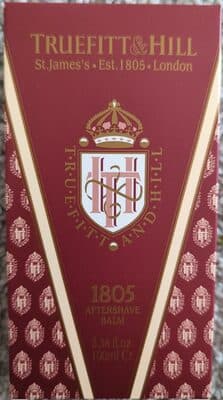
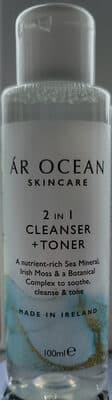
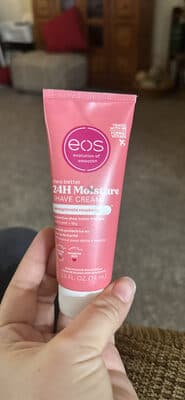
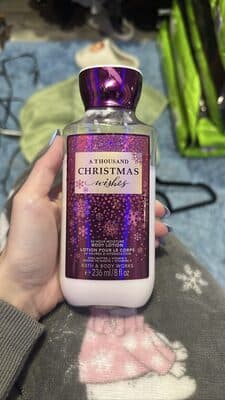
Products containing this ingredient
From the wider catalogue. Linked by the ingredient list, without an efficacy ranking.
Names and identifiers
Registry identity
3‚7-Dimethyl-6-octen-1-ol
- INCI name on ingredient lists
- CITRONELLOL
- CAS registry number
- 106-22-9, 26489-01-0, 7540-51-4, 1117-61-9
- EC number
- 203-375-0 / 247-737-6 / 231-415-7 / 214-250-5
Sources for this ingredient record
- EU CosIng ingredient registry (via Open Beauty Facts taxonomy) ↗ · ODbL 1.0 (Open Beauty Facts database) · Recorded Aug 8, 2026