The ingredient, explained
Clay
Clay is a group of phyllosilicate minerals produced by the chemical and physical weathering of rock. It consists chiefly of varying amounts of hydrated silica and alumina, and is characterized by a particle size of less than 2 micrometers
Ingredient guide
What it is and what it does
About this ingredient: EU CosIng ingredient registry (via Open Beauty Facts taxonomy) ↗
- Absorbent
- Takes up dispersed or dissolved material, including water or oils.
- Binding
- Helps the components of a product hold together.
- Bulking
- Changes a product's bulk density.
- Skin conditioning
- A broad cosmetic role for maintaining skin condition. It does not identify a particular clinical benefit.
- Viscosity controlling
- Adjusts how thick or fluid a product is.
Function definitions: European Commission ingredient function definitions (SCCNFP/0299/00, pages 16 to 20) ↗
Registry functions describe possible formulation roles, not results for a finished product. A dictionary entry is not an approval or a safety assessment.
A closer look
What the research shows
Generic clay lacks mineral/particle composition. Local bentonite nasal spray and clay-vectorised hyaluronic acid are particular formulations, not any clay ingredient; clay-like vernix is descriptive wording.
Research review checked Oct 1, 2026
Bounded local and exact-name indexed primary source search; absence is not proof of no research.
Ingredient research is not proof that a product containing this ingredient works.
Follow the formula
Products containing this ingredient
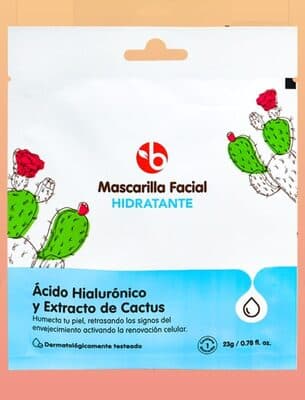
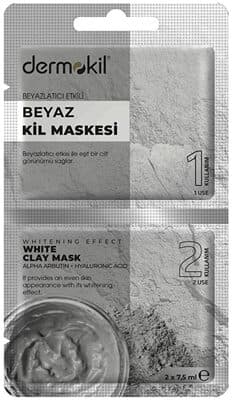
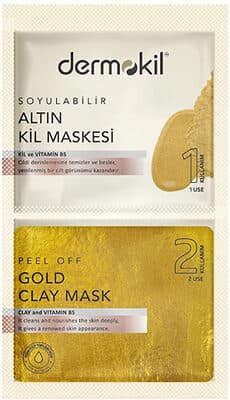
From the wider catalogue. Linked by the ingredient list, without an efficacy ranking.
Names and identifiers
- INCI name on ingredient lists
- CLAY
Sources for this ingredient record
- EU CosIng ingredient registry (via Open Beauty Facts taxonomy) ↗ · ODbL 1.0 (Open Beauty Facts database) · Recorded Aug 8, 2026