The ingredient, explained
Farnesol
Farnesol has published research relevant to the stated experimental context.
Ingredient guide
What it is and what it does
2‚6,10-Dodecatrien-1-ol, 3‚7,11-trimethyl-
About this ingredient: EU CosIng ingredient registry (via Open Beauty Facts taxonomy) ↗
- Deodorant
- Helps reduce or mask unwanted body odour.
- Perfuming
- A formulation role for perfume and aromatic raw materials that give a product its scent.
Function definitions: European Commission ingredient function definitions (SCCNFP/0299/00, pages 16 to 20) ↗ · Danish Environmental Protection Agency: Cosmetic fragrance functions ↗
Registry functions describe possible formulation roles, not results for a finished product. A dictionary entry is not an approval or a safety assessment.
A closer look
What the research shows
Human topical research
Seven days of topical farnesol did not significantly change microbiome richness, beta diversity or core taxa in 15 dermatitis patients and 15 healthy controls.
What this does not tell us
Small short study evaluates microbiome composition, not long-term dermatitis efficacy or every farnesol concentration.
Sources for this summary. PubMed 41373884 ↗
Research review checked Oct 1, 2026
Selective exact-identity review of 2 supplied local candidates and the targeted primary-source search recorded below. Bounded review, not a systematic search.
Ingredient research is not proof that a product containing this ingredient works.
Read the 1 selected study
Human topical research · n=30
Resilience of the Skin Microbiome in Atopic Dermatitis During Short-Term Topical Treatment. ↗
International journal of molecular sciences · 2025
Follow the formula
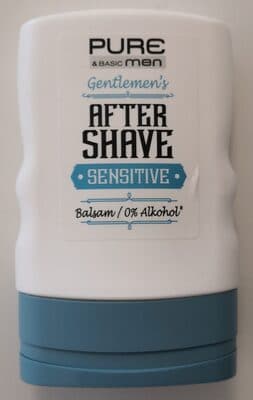
Products containing this ingredient
From the wider catalogue. Linked by the ingredient list, without an efficacy ranking.



Names and identifiers
Registry identity
2‚6,10-Dodecatrien-1-ol, 3‚7,11-trimethyl-
- INCI name on ingredient lists
- FARNESOL
- CAS registry number
- 4602-84-0
- EC number
- 225-004-1
Sources for this ingredient record
- EU CosIng ingredient registry (via Open Beauty Facts taxonomy) ↗ · ODbL 1.0 (Open Beauty Facts database) · Recorded Aug 8, 2026