The ingredient, explained
Hydroxyproline
Laboratory research tested free L-hydroxyproline in skin fibroblasts.
Ingredient guide
What it is and what it does
L-4-hydroxyproline
About this ingredient: EU CosIng ingredient registry (via Open Beauty Facts taxonomy) ↗
- Antistatic
- Reduces the build-up of static electrical charge on surfaces.
- Hair conditioning
- Improves cosmetic hair properties such as softness, shine or combability.
- Skin conditioning
- A broad cosmetic role for maintaining skin condition. It does not identify a particular clinical benefit.
- Surfactant
- Changes surface tension to help a product distribute or interact with other materials.
Function definitions: European Commission ingredient function definitions (SCCNFP/0299/00, pages 16 to 20) ↗
Registry functions describe possible formulation roles, not results for a finished product. A dictionary entry is not an approval or a safety assessment.
A closer look
What the research shows
Laboratory research
Collagen-gene responses varied by collagen type and electrical stimulation.
What this does not tell us
Cell and gene-expression findings do not establish clinical skin rejuvenation.
Sources for this summary. PubMed 38304625 ↗
Research review checked Oct 1, 2026
Read exact local candidate abstracts first; select identity-relevant papers; targeted primary PubMed/publisher searches. This is not an exhaustive systematic review.
Ingredient research is not proof that a product containing this ingredient works.
Read the 1 selected study
Laboratory research
Pulsed electrical stimulation and amino acid derivatives promote collagen gene expression in human dermal fibroblasts. ↗
Cytotechnology · 2024
Follow the formula
Products containing this ingredient
From the wider catalogue. Linked by the ingredient list, without an efficacy ranking.
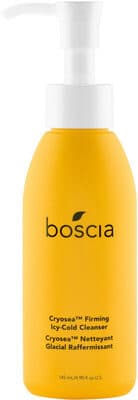

Names and identifiers
Registry identity
L-4-hydroxyproline
- INCI name on ingredient lists
- HYDROXYPROLINE
- CAS registry number
- 51-35-4
- EC number
- 200-091-9
Sources for this ingredient record
- EU CosIng ingredient registry (via Open Beauty Facts taxonomy) ↗ · ODbL 1.0 (Open Beauty Facts database) · Recorded Aug 8, 2026