The ingredient, explained
Lysine
Lysine has a published cosmetic safety assessment.
Ingredient guide
What it is and what it does
L-Lysine
About this ingredient: EU CosIng ingredient registry (via Open Beauty Facts taxonomy) ↗
- Antistatic
- Reduces the build-up of static electrical charge on surfaces.
- Hair conditioning
- Improves cosmetic hair properties such as softness, shine or combability.
- Skin conditioning
- A broad cosmetic role for maintaining skin condition. It does not identify a particular clinical benefit.
Function definitions: European Commission ingredient function definitions (SCCNFP/0299/00, pages 16 to 20) ↗
Registry functions describe possible formulation roles, not results for a finished product. A dictionary entry is not an approval or a safety assessment.
A closer look
What the research shows
Safety assessment
The report reviews irritation and sensitization evidence relevant to the named amino acids in topical cosmetics.
What this does not tell us
Grouped assessment includes read-across and combination formulations; this is safety evidence, not individual skin efficacy or an oral supplementation recommendation.
Sources for this summary. PubMed 24335967 ↗
Research review checked Oct 1, 2026
Selective screening of 10 local candidates and reuse of the final primary report after checking its explicit exact member list.
Ingredient research is not proof that a product containing this ingredient works.
Read the 1 selected study
Safety assessment
Safety assessment of α-amino acids as used in cosmetics. ↗
International journal of toxicology · 2013
Follow the formula
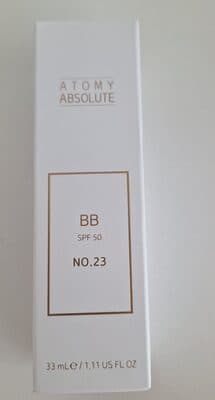
Products containing this ingredient
From the wider catalogue. Linked by the ingredient list, without an efficacy ranking.



Names and identifiers
Registry identity
L-Lysine
- INCI name on ingredient lists
- LYSINE
- CAS registry number
- 56-87-1
- EC number
- 200-294-2
Sources for this ingredient record
- EU CosIng ingredient registry (via Open Beauty Facts taxonomy) ↗ · ODbL 1.0 (Open Beauty Facts database) · Recorded Aug 8, 2026