The ingredient, explained
Phytosteryl/octyldodecyl Lauroyl Glutamate
A primary study examines this ingredient in the specified preparation and setting.
Ingredient guide
What it is and what it does
N--1-Oxododecyl--L-glutamic acid, phytosterols and 2-octyl-1-dodecanol ester
About this ingredient: EU CosIng ingredient registry (via Open Beauty Facts taxonomy) ↗
- Skin conditioning
- A broad cosmetic role for maintaining skin condition. It does not identify a particular clinical benefit.
Function definitions: European Commission ingredient function definitions (SCCNFP/0299/00, pages 16 to 20) ↗
Registry functions describe possible formulation roles, not results for a finished product. A dictionary entry is not an approval or a safety assessment.
A closer look
What the research shows
Human topical research
2% PLG reduced retinol-induced erythema versus vehicle in a five-day occlusive patch experiment; four-week use study also found better tolerance.
What this does not tell us
Retinol irritation model, not general anti-aging efficacy. Patch sample 18; later use-study sample unspecified.
Sources for this summary. PubMed 38628085 ↗
Research review checked Oct 1, 2026
Bounded review of local candidates, exact-name indexed primary journal/PubMed safety and topical searches; not a systematic review.
Ingredient research is not proof that a product containing this ingredient works.
Read the 1 selected study
Human topical research · n=18
Mitigation of retinol-induced skin irritation by physiologic lipids: Evidence from patch testing. ↗
Journal of cosmetic dermatology · 2024
Follow the formula
Products containing this ingredient
From the wider catalogue. Linked by the ingredient list, without an efficacy ranking.
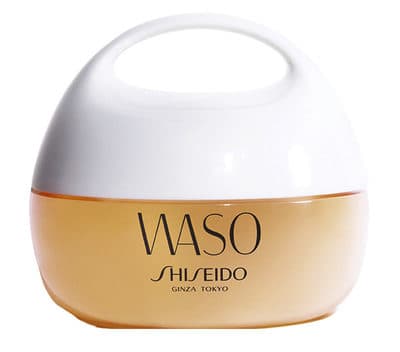
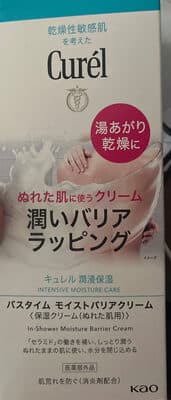


Names and identifiers
Registry identity
N--1-Oxododecyl--L-glutamic acid, phytosterols and 2-octyl-1-dodecanol ester
- INCI name on ingredient lists
- PHYTOSTERYL/OCTYLDODECYL LAUROYL GLUTAMATE
Sources for this ingredient record
- EU CosIng ingredient registry (via Open Beauty Facts taxonomy) ↗ · ODbL 1.0 (Open Beauty Facts database) · Recorded Aug 8, 2026