The ingredient, explained
Polyacrylic Acid
A primary study examines this ingredient in the specified preparation and setting.
Ingredient guide
What it is and what it does
2-Propenoic acid, homopolymer
About this ingredient: EU CosIng ingredient registry (via Open Beauty Facts taxonomy) ↗
- Binding
- Helps the components of a product hold together.
- Emulsion stabilising
- Helps keep an emulsion from separating.
- Film forming
- Leaves a continuous layer on skin, hair or nails after application.
- Viscosity controlling
- Adjusts how thick or fluid a product is.
Function definitions: European Commission ingredient function definitions (SCCNFP/0299/00, pages 16 to 20) ↗
Registry functions describe possible formulation roles, not results for a finished product. A dictionary entry is not an approval or a safety assessment.
A closer look
What the research shows
Human mucosal treatment study
Polyacrylic-acid lubricant improved self-reported lubrication, sexual-function and pain domains compared with lubricant control.
What this does not tell us
Postmenopausal vaginal atrophy context and vaginal route, not facial skin benefit. 80 total participants across four arms, not 80 in acid arm.
Sources for this summary. PubMed 24612478 ↗
Research review checked Oct 1, 2026
Bounded review of local candidates, exact-name indexed primary journal/PubMed safety and topical searches; not a systematic review.
Ingredient research is not proof that a product containing this ingredient works.
Read the 1 selected study
Human mucosal treatment study · n=80
Efficacy of vaginally applied estrogen, testosterone, or polyacrylic acid on sexual function in postmenopausal women: a randomized controlled trial. ↗
The journal of sexual medicine · 2014
Follow the formula
Products containing this ingredient
From the wider catalogue. Linked by the ingredient list, without an efficacy ranking.
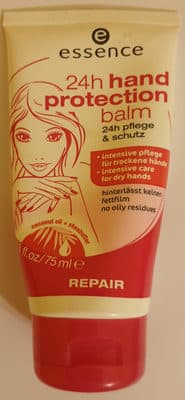
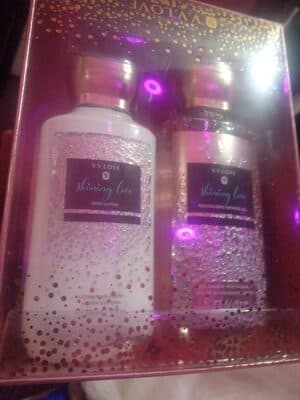

Names and identifiers
Registry identity
2-Propenoic acid, homopolymer
- INCI name on ingredient lists
- POLYACRYLIC ACID
- CAS registry number
- 9003-01-4
Sources for this ingredient record
- EU CosIng ingredient registry (via Open Beauty Facts taxonomy) ↗ · ODbL 1.0 (Open Beauty Facts database) · Recorded Aug 8, 2026