The ingredient, explained
Royal Jelly
A primary study examines this ingredient in the specified preparation and setting.
Explore connectionsIngredient guide
What it is and what it does
Royal Jelly is the pharyngeal secretion of worker bees
About this ingredient: EU CosIng ingredient registry (via Open Beauty Facts taxonomy) ↗
A verified formulation role is not on file for this name.
Registry functions describe possible formulation roles, not results for a finished product. A dictionary entry is not an approval or a safety assessment.
A closer look
What the research shows
Human topical treatment study
Trial did not find superior diabetic-foot-ulcer healing with royal jelly versus placebo; no application side effects observed.
What this does not tell us
25 patients with multiple randomized ulcers; medical wounds and standard wound care. Small study does not establish universal safety. Protease-treated extract trial not interchangeable.
Sources for this summary. PubMed 23566071 ↗
Research review checked Oct 1, 2026
Bounded review of local candidates, exact-name indexed primary journal/PubMed safety and topical searches; not a systematic review.
Ingredient research is not proof that a product containing this ingredient works.
Read the 1 selected study
Human topical treatment study · n=25
The efficacy of topical royal jelly on healing of diabetic foot ulcers: a double-blind placebo-controlled clinical trial. ↗
International wound journal · 2015
Follow the formula
Products containing this ingredient
From the wider catalogue. Linked by the ingredient list, without an efficacy ranking.
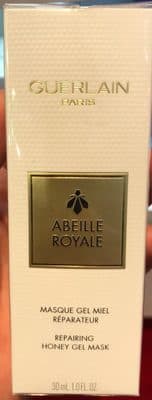
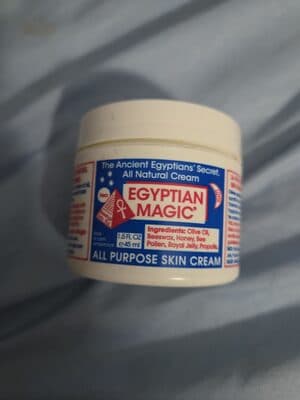
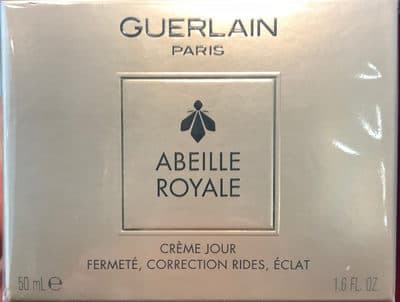
Names and identifiers
Registry identity
Royal Jelly is the pharyngeal secretion of worker bees
- INCI name on ingredient lists
- ROYAL JELLY
- CAS registry number
- 8031-67-2
Sources for this ingredient record
- EU CosIng ingredient registry (via Open Beauty Facts taxonomy) ↗ · ODbL 1.0 (Open Beauty Facts database) · Recorded Aug 8, 2026