The ingredient, explained
Tannic Acid
Research examined TANNIC ACID under the stated study conditions.
Ingredient guide
What it is and what it does
Tannins. Gallic acid derivatives found in nutgalls, bark and other plant parts, especially oak bark
About this ingredient: EU CosIng ingredient registry (via Open Beauty Facts taxonomy) ↗
- Astringent
- A technical role associated with tightening the skin surface.
- Masking
- Reduces or conceals the formula's underlying odour or taste.
Function definitions: European Commission ingredient function definitions (SCCNFP/0299/00, pages 16 to 20) ↗
Registry functions describe possible formulation roles, not results for a finished product. A dictionary entry is not an approval or a safety assessment.
A closer look
What the research shows
Human topical treatment study
The tannic-acid and salicylic-acid treatment reduced herpes lesion size relative to placebo.
What this does not tell us
26 participants and five-day observation. Salicylic acid is co-active, and medical herpes results do not establish tannic-acid-only or general cosmetic benefit.
Sources for this summary. PubMed 1923396 ↗
Research review checked Oct 1, 2026
Read exact local candidate abstracts first; select identity-relevant papers; targeted primary PubMed/publisher searches. This is not an exhaustive systematic review.
Ingredient research is not proof that a product containing this ingredient works.
Read the 1 selected study
Human topical treatment study · n=26
Determining therapeutic efficacy in recurrent herpes labialis by lesion size analysis. ↗
Oral surgery, oral medicine, and oral pathology · 1991
Follow the formula
Products containing this ingredient
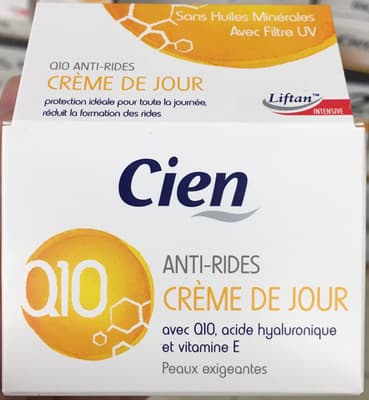
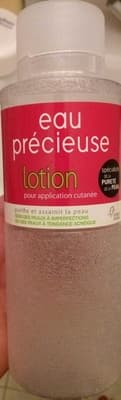
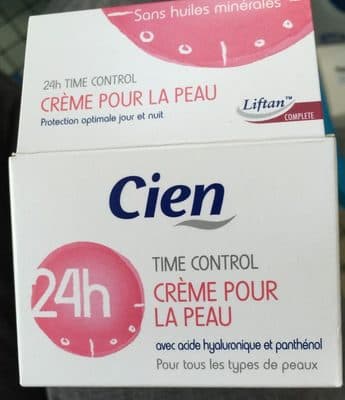
From the wider catalogue. Linked by the ingredient list, without an efficacy ranking.
Names and identifiers
Registry identity
Tannins. Gallic acid derivatives found in nutgalls, bark and other plant parts, especially oak bark
- INCI name on ingredient lists
- TANNIC ACID
- CAS registry number
- 1401-55-4
- EC number
- 215-753-2
Sources for this ingredient record
- EU CosIng ingredient registry (via Open Beauty Facts taxonomy) ↗ · ODbL 1.0 (Open Beauty Facts database) · Recorded Aug 8, 2026