The ingredient, explained
Urea
An ingredient studied in moisturising creams for dry skin, including skin affected by atopic dermatitis.
Ingredient guide
What it is and what it does
Urea, also called carbamide, is a small organic compound. Its cosmetic registry roles include acting as a humectant, helping attract and retain moisture. It is not an alpha hydroxy acid.
About this ingredient: CosIng identity and functions via Open Beauty Facts ↗ · European Commission ingredient function definitions ↗ · PubChem: Urea ↗
- Humectant
- Helps attract and retain moisture.
- Antistatic
- Reduces the build-up of static electrical charge on surfaces.
- Buffering
- Helps resist changes in a formula's pH.
- Skin conditioning
- A broad cosmetic role for maintaining skin condition. It does not identify a particular clinical benefit.
Function definitions: European Commission ingredient function definitions (SCCNFP/0299/00, pages 16 to 20) ↗
Registry functions describe possible formulation roles, not results for a finished product. A dictionary entry is not an approval or a safety assessment.
A closer look
What the research shows
Human topical research
In a 109-patient, 30-day trial, a cream with 4% urea and 4% sodium chloride had better dryness and water-loss results than a 20% glycerin cream. In a separate 197-patient trial, dryness outcomes were comparable, but more patients reported smarting with the urea-saline cream.
What this does not tell us
Both studies tested urea with sodium chloride in a complete cream. They cannot isolate urea, establish results at other concentrations or show that a cosmetic product treats atopic dermatitis.
Sources for this summary. PubMed 11737814 ↗PubMed 12013198 ↗
Research review checked Sep 30, 2026
Selected primary sources were reviewed for the existing research brief on 30 September 2026, with exact ingredient, route and combination limitations recorded. This was a bounded editorial review, not a systematic search.
Ingredient research is not proof that a product containing this ingredient works.
Read the 2 selected studies
Human topical research · n=197
A double-blind study comparing the effect of glycerin and urea on dry, eczematous skin in atopic patients. ↗
Acta dermato-venereologica · 2002
Human topical research · n=109
Instrumental and dermatologist evaluation of the effect of glycerine and urea on dry skin in atopic dermatitis. ↗
Skin research and technology : official journal of International Society for Bioengineering and the Skin (ISBS) [and] International Society for Digital Imaging of Skin (ISDIS) [and] International Society for Skin Imaging (ISSI) · 2001
Follow the formula
Products containing this ingredient
From the wider catalogue. Linked by the ingredient list, without an efficacy ranking.
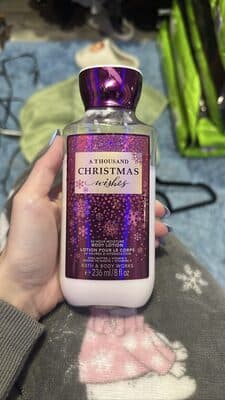
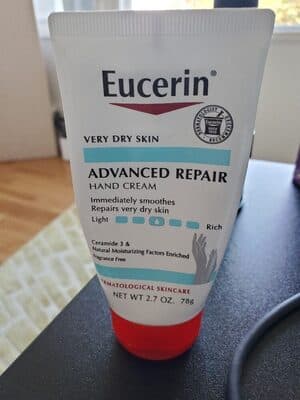

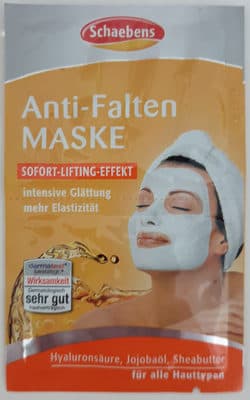
Names and identifiers
Registry identity
Urea
- INCI name on ingredient lists
- UREA
- CAS registry number
- 57-13-6
- EC number
- 200-315-5
Other recorded names (1)
- ureum
Sources for this ingredient record
- EU CosIng ingredient registry (via Open Beauty Facts taxonomy) ↗ · ODbL 1.0 (Open Beauty Facts database) · Recorded Aug 8, 2026
- European Commission ingredient function definitions ↗ · Recorded Sep 30, 2026
- PubChem: Urea ↗ · Recorded Sep 30, 2026